
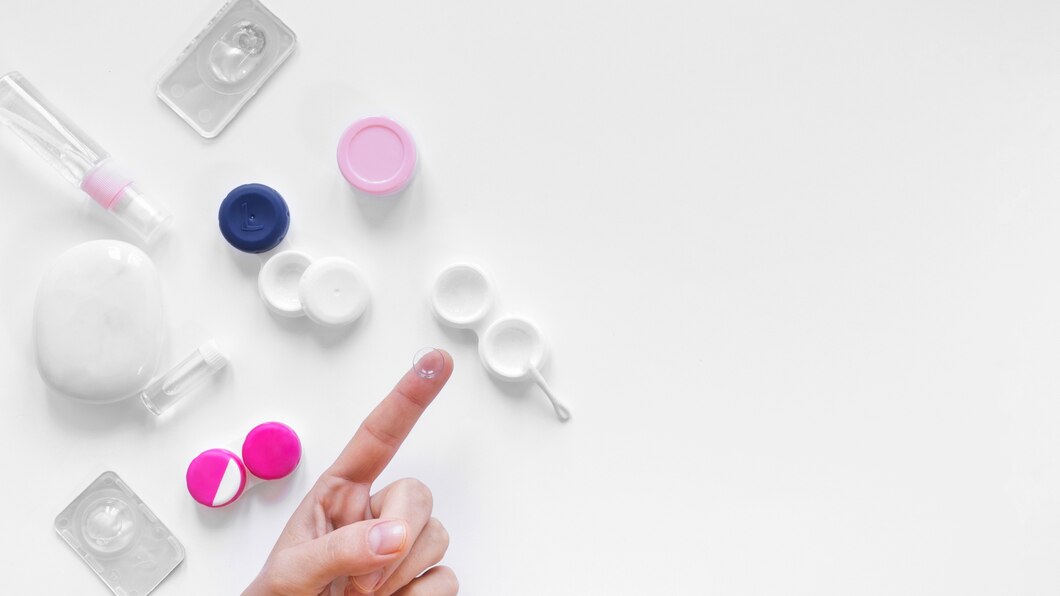
Using daily disposable color contact lenses is an incredibly popular way to change up your aesthetic, enhance your natural features, or complete a specific style profile. Because they are discarded at the end of each day, daily disposables are structurally the safest and most hygienic contact lens modality available.
Yet, many wearers in Singapore find themselves dealing with sudden grittiness, redness, or a dry, burning sensation just a few hours after putting them on.
If you are experiencing contact lens discomfort, it does not mean your eyes are inherently incompatible with cosmetic lenses. Instead, it usually points to a mismatch between the lens material, your individual eye anatomy, and environmental stressors like aggressive office air conditioning.
At EyeCare Studio, our registered optometrists specialize in precision cosmetic contact lens fittings to help you achieve striking visual adjustments without sacrificing your long-term ocular comfort.
1. The Anatomy of Cosmetic Lens Discomfort
To resolve why a fresh, daily disposable color lens can still irritate your eye, it helps to understand how cosmetic lenses are manufactured. Unlike standard clear lenses, color contact lenses contain an additional integrated layer of organic or synthetic pigments to alter the appearance of your iris.
While reputable global manufacturers completely embed this pigment layer inside the lens material, low-tier or unverified cosmetic brands often print the color directly onto the outer surface. This structural difference creates a series of unique challenges for your eyes.
- Reduced Oxygen Transmissibility: The physical layer of ink acts as a partial barrier, reducing the volume of oxygen that can pass through the lens to reach your cornea. When your cornea is deprived of oxygen (a state known as hypoxia), the eye responds by producing redness, swelling, and a dull, aching discomfort.
- Altered Surface Smoothness: Externalized pigments can increase the microscopic friction between the contact lens and your blinking eyelid. With the average person blinking roughly 10,000 to 15,000 times a day, this minor friction can quickly turn into localized irritation and upper-eyelid fatigue.
2. Key Factors Driving Color Lens Irritation in Singapore
Beyond the physical structure of the lens, several environmental and anatomical variables can influence how a cosmetic contact lens feels on your eye.
| Root Cause | Operational Mechanism | Primary Symptom Experienced |
|---|---|---|
| Architectural Mismatch | The lens base curve or total diameter does not align with the physical shape of your cornea. | Constant shifting, slipping, or a tight, choking pressure on the eye surface. |
| Moisture Evaporation | Low-tier hydrogel materials draw moisture directly away from your natural tear film to stay soft. | Intense grittiness, a sandpaper sensation, and lenses sticking to the eyelids. |
| Environmental Factors | Humid outdoor air shifts rapidly to dry, intensely air-conditioned indoor office spaces. | Rapid dehydration of the lens matrix leading to blurred vision and eye fatigue. |
Architectural Mismatch (Fit and Curve)
Human corneas are shaped uniquely, featuring individual variations in curvature, eccentricity, and horizontal diameter. When you purchase cosmetic lenses over the counter without a proper fitting, you are guessing at two critical values: Base Curve (BC) and Diameter (DIA).
If the base curve is too steep, the lens will clamp down tightly on your cornea, restricting healthy tear exchange beneath the lens and trapping metabolic waste. If the base curve is too flat, the lens will slide around excessively with every blink, causing unstable vision and physical chafing along your sensitive limbal stem cell zone.
Low-Oxygen Hydrogel Materials
Many mass-market daily color lenses are still manufactured using traditional hydrogel plastics. While hydrogel is highly flexible, its ability to transport oxygen relies entirely on its water content.
As the water in the lens evaporates throughout the day, the lens begins to draw moisture directly out of your natural tear film to maintain its shape, leaving your eyes feeling parched.
Modern optometry resolves this issue by utilizing advanced Silicone Hydrogel materials. This technology combines the flexibility of traditional hydrogel with the high gas permeability of silicone, allowing up to five times more oxygen to reach the surface of your eye.
3. Practical Steps to Eliminate Cosmetic Lens Discomfort
If you want to wear daily color lenses comfortably for a full working day or an evening social event, implementing a few targeted changes to your routine can make a significant difference.
Control Your Micro-Environment and Screen Habits
Singapore's outdoor humidity may make you think dry eyes are not a concern, but the sealed, air-conditioned spaces of our offices, malls, and commuter trains rapidly pull moisture away from exposed ocular surfaces. When you pair this dry air with prolonged screen time - which slashes your natural blink rate by up to 60% - your contact lenses can dry out quickly.
For every 20 minutes of continuous digital device use, consciously look away from your screen and focus on an object located at least 20 feet (about 6 meters) away for at least 20 seconds. This action prompts a full, deep blink that completely refreshes the moisture layer over your color contact lens.
Additionally, keep your eyes comfortable by carrying preservative-free lubricating eye drops. Standard multi-dose eye drops often contain harsh chemical preservatives like benzalkonium chloride, which can bind to the porous matrix of a contact lens and cause long-term chemical irritation. Preservative-free single-dose vials, however, deliver clean, non-reactive hydration whenever you experience mid-day dryness.
Maintain Strict Lens Hygiene and Water Restrictions
Even though daily disposables do not require nightly cleaning solutions or storage cases, safe handling habits are still essential to prevent surface contamination.
- Wash and Dry Thoroughly: Always wash your hands with antibacterial, fragrance-free soap before touching your eyes or opening a lens blister pack. Dry your hands completely with a lint-free towel, as wet fingers can transfer fibers or waterborne pathogens onto the lens surface.
- Keep Tap Water Away: Never expose your contact lenses or your open blister packs to tap water, swimming pools, or hot tubs. Domestic water supplies can carry resilient microorganisms, such as Acanthamoeba, which can easily become trapped behind a contact lens and cause severe, sight-threatening corneal infections.
4. Managing Sensitivity and Avoiding Overwear
If your eyes are naturally sensitive or prone to seasonal environmental allergies, you need to be particularly selective about your lens choices. Accumulated airborne allergens, dust particles, and cosmetic residues from eyeliners or setting sprays can stick to the surface of a contact lens, causing a localized immune response that results in itching, stringy discharge, and inner-eyelid redness. If you experience these symptoms, it is crucial to remove the lenses immediately rather than trying to push through the discomfort.
Establish a Balanced Wearing Schedule
Daily disposable color lenses are designed for single-day use, but they are not intended for 18 hours of continuous wear. To maintain healthy eyes, limit your wearing time to a structured window.
Never sleep in your cosmetic lenses. Closing your eyelids over a contact lens dramatically cuts down the oxygen supply to your cornea, creating an ideal environment for rapid, dangerous bacterial growth.
5. The Critical Importance of a Professional Optometric Fitting
The safest and most reliable way to eliminate contact lens irritation is to move away from unregulated online vendors and schedule a comprehensive contact lens assessment with a registered professional.
Furthermore, scheduling a follow-up checkup every six months ensures that your corneas remain healthy, your prescription stays accurate, and your contact lens choices continue to align with your changing lifestyle.
Vibrant Style Meets Uncompromised Eye Health
You should never have to compromise the physical health of your eyes to enjoy the aesthetic benefits of color contact lenses. If your current daily disposables leave your eyes red, irritated, or fatigued by the end of the afternoon, it is time to upgrade your approach to vision care.
By prioritizing premium, high-oxygen materials, maintaining healthy screen habits, and securing a precise anatomical fit from an experienced clinician, you can enjoy crisp, clear vision and striking color enhancements in absolute comfort.
Take a proactive step toward comfortable, healthy vision. Schedule a professional cosmetic contact lens consultation with our registered optometric team at your nearest EyeCare Studio practice:
- Jurong Point 2 (#01-13) - Tel: 6316 0676
- Serangoon NEX (#04-58) - Tel: 6636 8223
- The Seletar Mall (#01-25) - Tel: 6702 3412


