
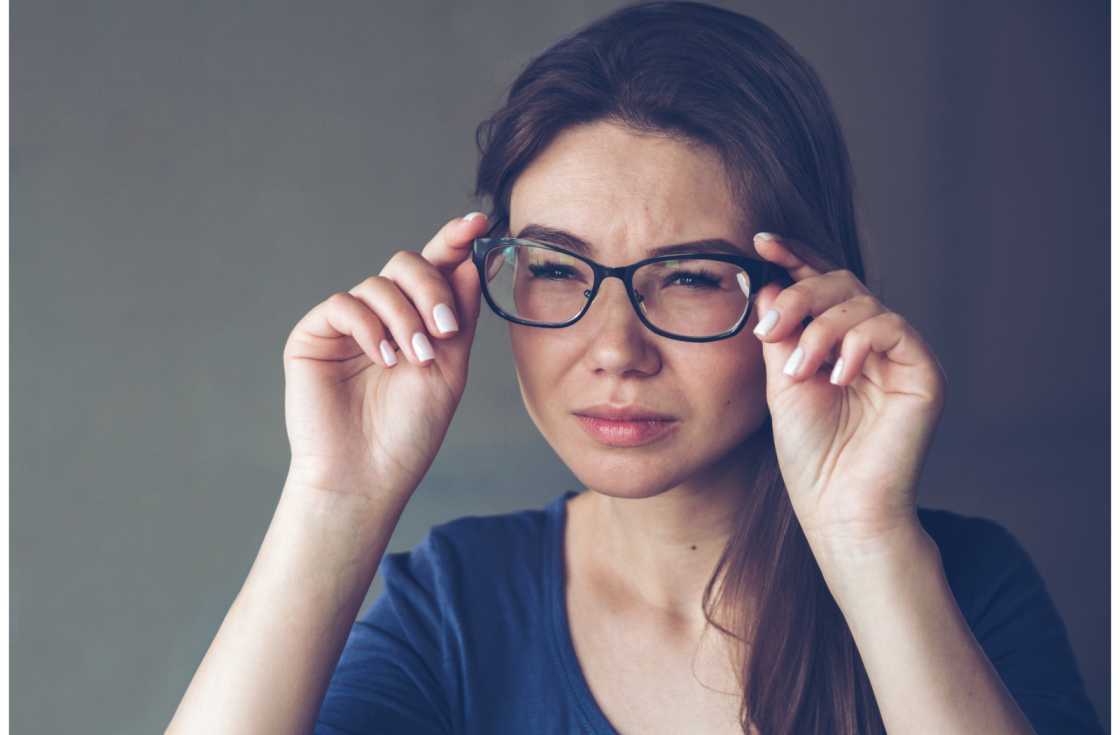
Nearsightedness, or myopia, is a condition where objects nearby are seen more clearly than those far away. While this condition usually does not require treatment, it can worsen over time and lead to vision problems. In this blog, we will discuss the root causes of myopia, its symptoms, and how myopia control methods can help preserve one's vision.
Myopia is typically caused by a combination of genetic and environmental factors. People who are nearsighted often have a family history of the condition. Myopia can also be triggered by prolonged periods of close work, such as reading or using a computer.
6 Alarming Symptoms
- Blurred Vision When Looking At Distant Objects: This is the most common symptom of myopia and is usually the first sign that something may be wrong with your vision.
- Difficulty Seeing At Night: Reduced vision at night, observing harder to see bus numbers in low light conditions.
- Headaches: Sometimes, the strain of squinting to see distant objects can lead to headaches.
- Eyestrain: People with myopia often experience eye strain after extended periods of close work, such as reading or using a computer.
- Sensitivity To Light: People with myopia may find bright lights uncomfortable or even painful.
- Squinting: People with myopia often squint in an attempt to see distant objects more clearly.
If you experience any of these symptoms, it is important to consult your optometrist. Myopia can worsen over time, and uncorrected myopia can lead to serious vision problems. Specialty children myopia control glasses, contact lenses (Misight, Abiliti 1 day & orthokeratology), and atropine can help slow the progression of myopia and preserve one's vision. These myopia control methods may slow down the child's myopia progression rate up to 60%.
1. Slows The Progression Of Myopia
Myopia control intervention can help slow the progression of myopia, which can preserve one's vision. These methods can also help prevent or delay the onset of other serious eye conditions that are more likely to occur in people with high myopia, such as glaucoma, cataracts, and retinal detachment.
2. Reduces The Risk Of Serious Eye Conditions
As myopia control can help slow the progression of myopia, they can also reduce the risk of serious eye conditions that are more likely to occur in people with myopia.
3. Improves Vision
Myopia control methods can improve vision by slowing the progression of myopia. This can help people with myopia see better and avoid vision problems later in life. As for orthokeratology, the child would be able to achieve good functional daytime vision without glasses.
4. Prevents Or Delays The Onset Of Other Eye Conditions
Myopia control can help prevent or delay the onset of other eye conditions, such as glaucoma, cataracts, and retinal detachment.
5. Protects Your Child's Vision
If you are a parent of a child with myopia, myopia control interventions can help protect your child's vision. By slowing the progression of myopia, not only will they have lower prescription and thinner glasses, these methods can help your child avoid serious eye problems later in life.
6. Helps You Save Money On Eyewear
Myopia control glasses or lenses can help slow the progression of myopia, which can reduce the need for new glasses or contact lenses as often.
7. Improves The Quality Of Life
Myopia controls can improve the quality of life for people with myopia by helping people with myopia avoid vision problems and other eye conditions that can affect their quality of life.
Managing myopia can help slow the progression of myopia and preserve one's vision. Eyecare Studio Optometrist is here to offer the best myopia control methods and help you or your child maintain clear vision. Schedule an appointment today!


